
How-To
The Best Practices for Transporting Heavy Equipment
Proper heavy equipment transportation is essential for safety, compliance and asset protection. Mistakes in heavy machinery transport can cause accidents, delays and costly damage. Empire offers expert guidance, advanced technology and proven processes to ensure your construction equipment hauling and industrial equipment transport arrive safely and on schedule.
Pre-Transport Planning
Set Yourself Up For Success
Effective pre-transport planning is the foundation of safe, efficient heavy equipment hauling services. To set yourself up for success:
- Assess equipment size, weight and needs.
- Plan routes, secure permits and address road restriction navigation for all moves.
- Communicate with drivers, site managers and logistics teams on timing and responsibilities.
- Ensure permits, insurance and compliance paperwork are ready.
- Partner with Empire's team for expertise in compliance, load securement training, and logistics support.
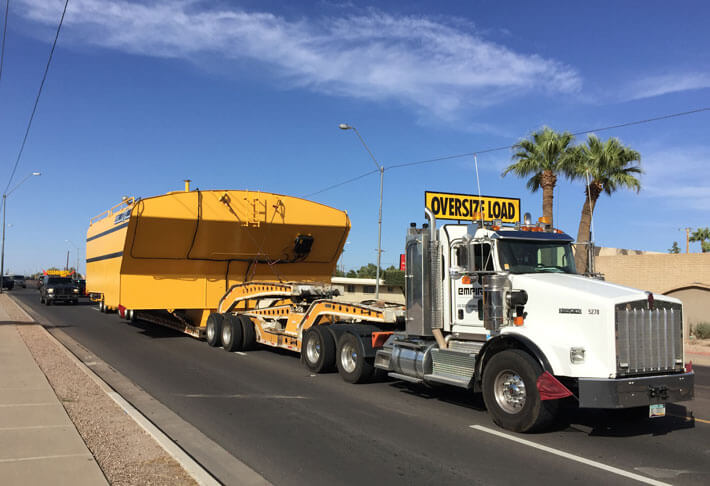
Safety First When Loading and Securing Equipment
Proper loading and securement are critical to prevent accidents, damage and regulatory violations in industrial equipment transport. Check out these load securement safety tasks:
- Use The Right Loading Equipment: Ramps, cranes or lifts should match your equipment’s requirements.
- Secure all attachment and components like buckets, blades and booms and lock them into place.
- Properly distribute equipment weight, evenly positioning them for safe construction equipment transport.
- Use approved chains, straps and tie-downs to meet all heavy equipment requirements and DOT/FMCSA standards.
- Prevent rolling by using chocks, wedges or cradles for added stability and set the parking brake.
- Inspect securement points before departure and document the process.
- Partner with Empire's team for expertise in compliance, load securement training, and logistics support.
In-Transit Best Practices: Monitoring and Risk Management
Active monitoring and risk management are essential for safe, efficient heavy equipment transport services:
-
Utilize Telematics and GPS Tracking: Monitor location and status in real time for all construction equipment transport.
-
Ensure Driver Training: Drivers should be experienced in heavy equipment transport safety and emergency procedures.
-
Follow Speed Limits and Route Restrictions: Adhere to all regulations to avoid fines or accidents.
-
Maintain Communication: Keep drivers, dispatch and receiving teams in sync.
-
Prepare Contingency Plans: Be ready for weather, breakdowns or route changes.
-
Stay Vigilant: Prevent disruptions and protect assets, when working with transport companies or managing your own fleet by monitoring your surroundings.

Unloading and Post-Transport Inspection
Thorough unloading and inspection protect your investment and keep your projects running smoothly, whether it’s construction equipment hauling or mining equipment transportation. Careful unloading and inspection ensure your equipment arrives safely and ready for work:
- Follow safe unloading procedures and utilize trained personnel.
- Lower ramps or lifts slowly and use spotters if needed.
- Remove restraints like tie-downs, chocks and wedges after securing equipment.
- Inspect equipment immediately for any signs of damage.
- Document and report the condition and share concerns with your team or Empire.
How Empire Can Support Your Equipment Transport
Empire is your trusted Cat dealer for every stage of heavy equipment transport:
- Step-by-step guidance for all equipment types, including excavator transportation, backhoe hauling and skid steer transportation
- Advanced technology like telematics and GPS for real-time tracking and risk reduction
- Regulatory expertise on DOT, OSHA and state requirements
- Life cycle services to minimize downtime and protect your investment
Move your heavy equipment with confidence when partnering with Empire for expert heavy equipment transport services, proven processes, and the latest technology. Learn more and contact our team today!
