Equipment

Protecting Your Fleet From Extreme Heat

Regular maintenance and helpful habits during the summer can enhance or maintain your equipment's performance. From proper lubrication to optimized operation schedules, the right practices help boost productivity and longevity so your fleet can thrive in the hot weather.

Importance of Protecting Your Equipment 

Temperature regulation is a vital and often an overlooked part of equipment upkeep. Protecting your fleet from extreme heat is crucial because it offers some key advantages.

Equipment Longevity

Overheated equipment can increase wear and tear. Protecting your equipment from the heat is one of the most important ways to reduce wear and help it last longer. Equipment that lasts longer increases your return on investment (ROI) and helps you save more money long-term.
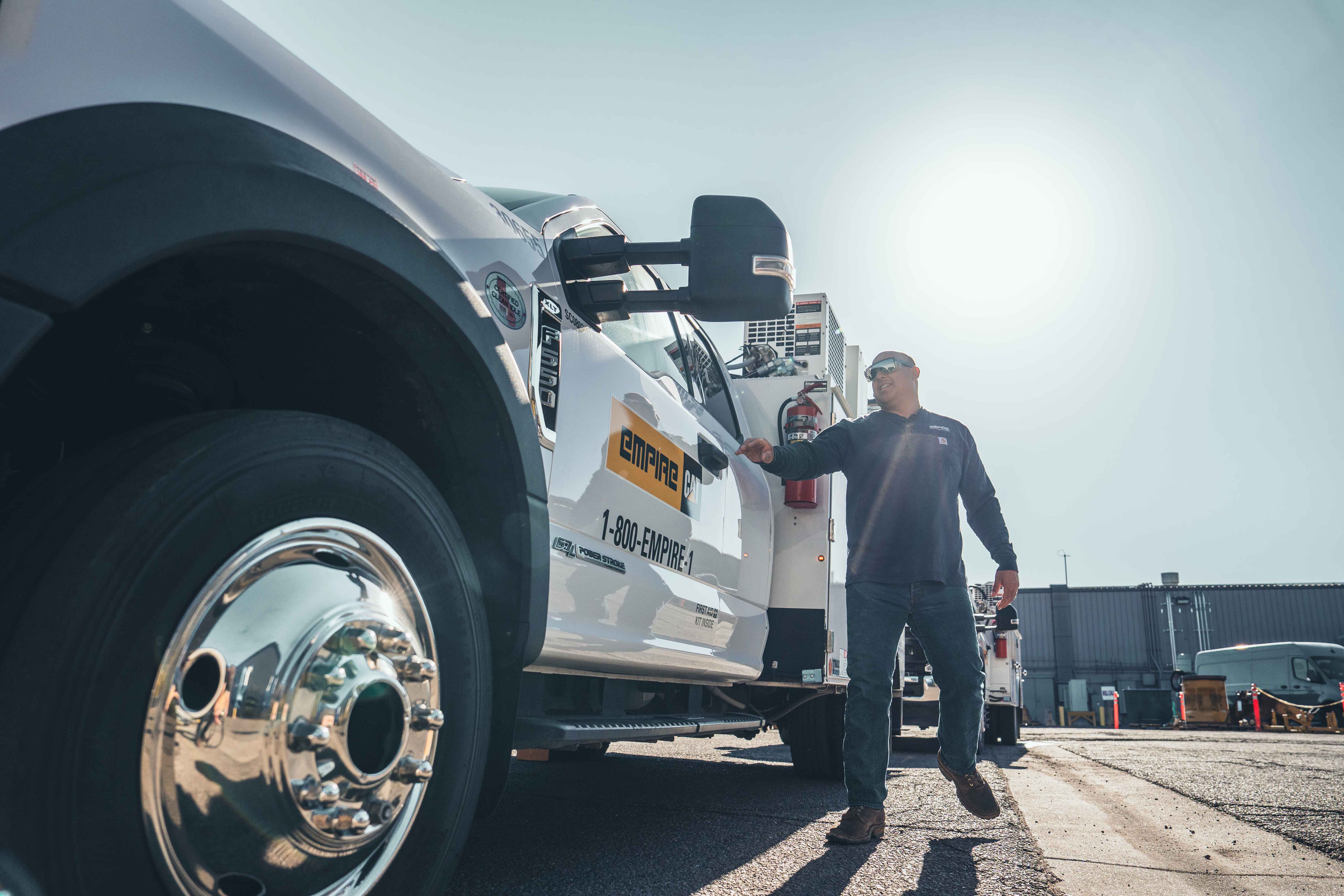
field technician getting into service truck

Increased Equipment Uptime

Maintain your equipment's temperature to prevent breakdowns and repair needs. Regular maintenance and temperature regulation keep your equipment running so you can operate on schedule. When your roster is full of projects, keeping equipment running is essential so your team can stay on task.

Cost Savings

Equipment heat protection can significantly increase your cost savings. Hot weather equipment care prevents complications, so you have more money for your projects or business. Taking care of your equipment in the heat allows for cost-effective benefits, including:

  • Components that maintain their proper form
  • Reduced friction
  • Adequate insulation
  • Reduced corrosion
  • Reliable electrical connections
  • Intact and dependable bearings
  • Proper seals

Reliable Equipment Performance and Efficiency

Proper maintenance makes your equipment more reliable and efficient. Protect your fleet from heat to ensure it delivers excellent performance and helps you complete tasks faster.

Safety

Hot weather equipment care enhances safety, giving you and your team peace of mind. Proper maintenance and heat protection help prevent malfunctions, accidents and potential hazards. Each of your workers can operate equipment confidently when you prevent incidents such as sudden breakdowns, loss of control and unexpected movements.

How to Protect Equipment From Extreme Heat

Various habits and maintenance plans help prevent temperature-related complications. Click through the following dropdowns to learn how to protect your equipment and your team from extreme heat.
    • Perform these checks and maintenance tasks before the summer season starts:

      • Ensure fluid levels meet the requirements in your equipment's manual
      • Inspect tires for the proper inflation
      • Lubricate equipment components
      • Schedule regular maintenance to ensure all systems are in good condition before summer begins
      • Inspect your radiator
      • Check that airflow passages are clear

      You should also clean your equipment before the summer season arrives and continue washing it after each use. This prevents mud, dirt and debris from accumulating on your equipment's outer surfaces and trapping heat inside.

      • Check equipment cooling systems to ensure they are in excellent condition and operate properly. A piece of equipment's cooling system removes excess heat, helping to maintain the proper operating temperature. Inspect and maintain each cooling system with these checks and maintenance tasks:

        • Use pressurized air to clean the radiator and prevent overheating
        • Flush and replace the coolant according to the user's manual
        • Perform a pressure test annually or more frequently if you use the equipment often
        • Ensure hoses are free of cracks or damage
        • Synthetic lubricants offer greater heat protection than petroleum-based lubricants. Companies engineer synthetic lubricant molecules to have consistent shapes and sizes. This uniformity ensures that synthetic lubricant maintains cooler temperatures and can resist oxidation longer. You can find synthetic versions of the following equipment fluids:

          • Engine oil
          • Hydraulic fluid
          • Gear oil
          • Let your equipment idle for a few minutes before shutting it down. This enables it to shut down slowly, protecting the turbocharger from excess heat. Performing a phased shutdown in a shaded area is the best way to let your engine cool down after use.

            It's also important to watch your equipment's displays and let it rest if you notice any warning sensors illuminate. Warning lights can indicate an overworked piece of equipment. Pause operations for an hour or two, and check your systems to ensure everything is in good working condition.

            • Air conditioning (AC) is essential for your comfort and safety during operation, and proper operation is important. The goal is to maintain a comfortable temperature without overworking the system and straining your equipment. 

              Only use the AC when necessary, and ensure all windows and doors are closed when it is running. Train equipment operators to use AC systems properly. You should also check and replace the air filters according to your equipment manual's instructions.

              • Keep equipment in the shade as much as possible. Indoor equipment storage, such as a garage or warehouse, is ideal, but you can also store equipment under shade structures or park it in naturally shaded areas around your property or job site.

                • The sun is typically the hottest around noon and the few hours following it. Try to use your equipment during the early morning hours and in the evening if possible. Pausing operation during the hottest hours of the day can help reduce your equipment's heat exposure.

                  • It's important that your team is prepared to not only take care of the machines in your fleet, but also take care of themselves. Operators should make sure they are well rested and well hydrated for working in the heat. Extreme heat conditions can lead to feeling light headed or dizzy, which can result in major accidents, hurting the operator, others onsite and/or damaging the equipment.

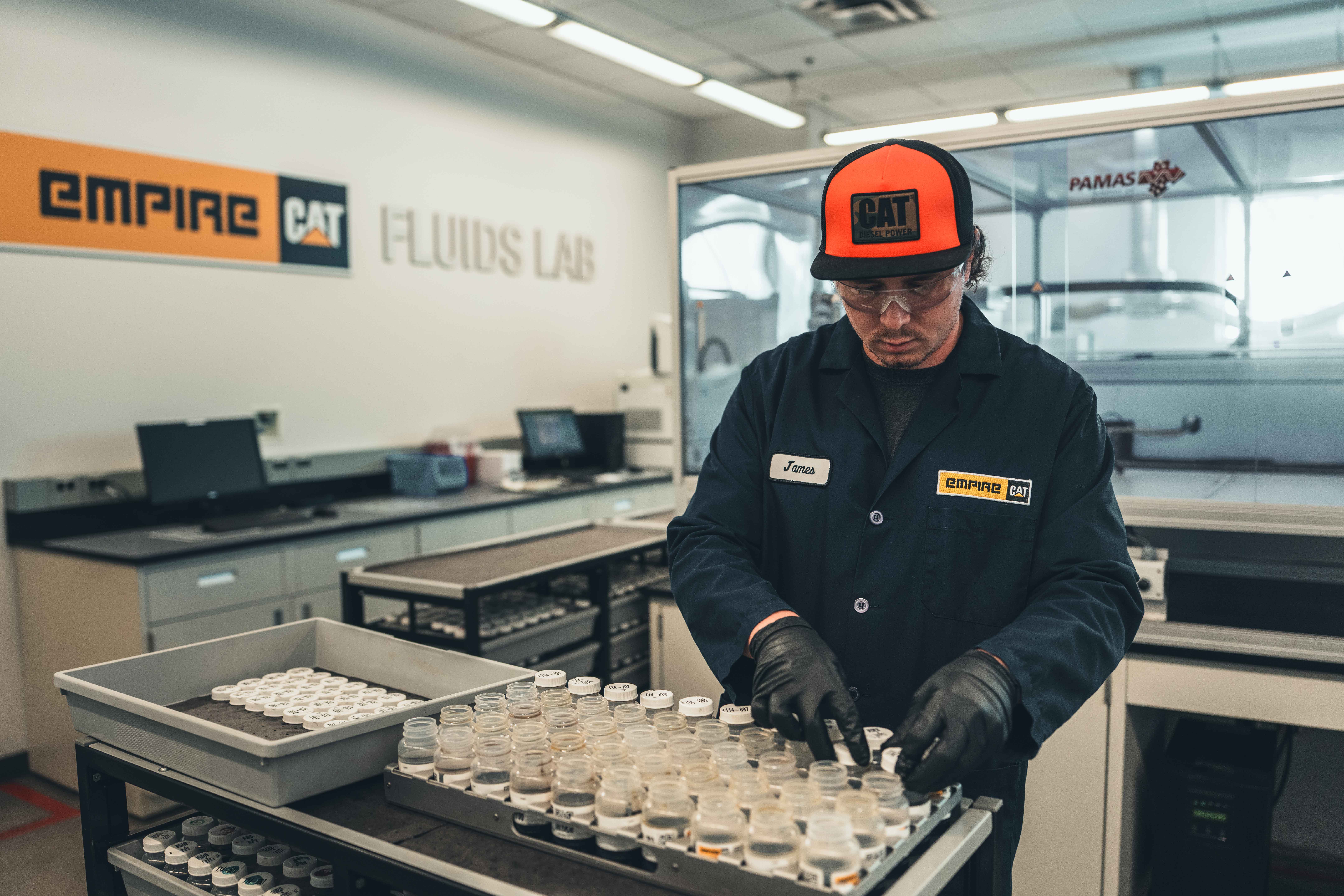
                  fluids lab tech organizing samples
                  Services to Prevent Overheating

                  Professional servicing is crucial for equipment health. Seek the following services from trained experts to keep your equipment in top shape throughout the year.

                  Fluid Analysis

                  Oil and fluid samples reveal helpful insights about your equipment's health, detecting potential maintenance needs early. Fluid analysis services can help ensure your equipment is ready for the summer heat. When you schedule fluid analysis testing services, skilled professionals check your equipment's oil, fuel, coolant, hydraulic fluid, and transmission fluid. Fluid analysis services can help you shorten repair times, save money and boost productivity. Empire makes it easy to submit your samples and receive useful information about your equipment.

                  Maintenance

                  Professional preventive maintenance is one of the best ways to protect your equipment from the heat. Schedule regular inspections and maintenance services to ensure your equipment is in excellent condition. Regular servicing helps you prevent potential repair needs and save money.

                  PROTECT YOUR EQUIPMENT WITH EMPIRE

                  Equipment heat protection is vital — you can boost productivity, efficiency, cost savings and equipment longevity with the right precautions. Empire offers expert inspections and preventive maintenance services to ensure your equipment's systems operate properly, identify potential repair needs early and prevent heat-related complications. We are dedicated to helping you get the best performance from your equipment while saving money. Contact our experts to schedule service or learn more.

                  CONTACT US

                  Related Topics