
Support
Top 12 Benefits of Equipment Telematics
Today’s smart technology means we can monitor our health, homes, and even our pets. Why shouldn’t our heavy equipment be smart, too? Heavy equipment telematics can do just that.
Equipment telematics is steadily growing in popularity as fleet owners realize the immense value of these systems. Telematics offers extraordinary visibility for many aspects of an equipment fleet, from location and hours to condition and usage. With the help of these powerful metrics, users can create significant savings and improvements across operations.
So what is telematics, and how does it benefit your business? Let’s take a closer look.
What Is Telematics?
Telematics encompasses a range of technologies used to monitor assets, usually vehicles and machinery. One of the most basic types of telematics systems provides location tracking through global positioning systems (GPS). More advanced systems can monitor equipment status, such as engine power, fuel consumption, and driving behavior. Telematic findings can support further analysis through software programs that provide predictive analytics, user alerts, intelligent dispatching, and many other valuable features. Typical components involved include:
- GPS: The GPS component collects real-time data on the equipment’s location, along with information on its speed and movements.
- Monitoring sensors: Sensors in a machine collect data on its usage. This might include aggressive acceleration or erratic driving habits that should be corrected.
- Onboard diagnostics: A device pulls data from the onboard diagnostics system to provide information on machine health, performance, and status. Diagnostic information can include fuel consumption, the power status of the engine, and use hours.
Typically, the results of this data reach the user in easy-to-read software systems that offer visualization tools for a clear picture of your fleet. Some of the challenges that telematics can solve include problems scheduling maintenance and stolen equipment. Trackable data point include:
- Location
- Speed
- Aggressive or erratic driving habits
- Load information
- Fuel consumption
- Idling time
- Miles traveled
- Seatbelt use
- Emissions
- Remote vehicle inspection reports
- Dashboard camera footage
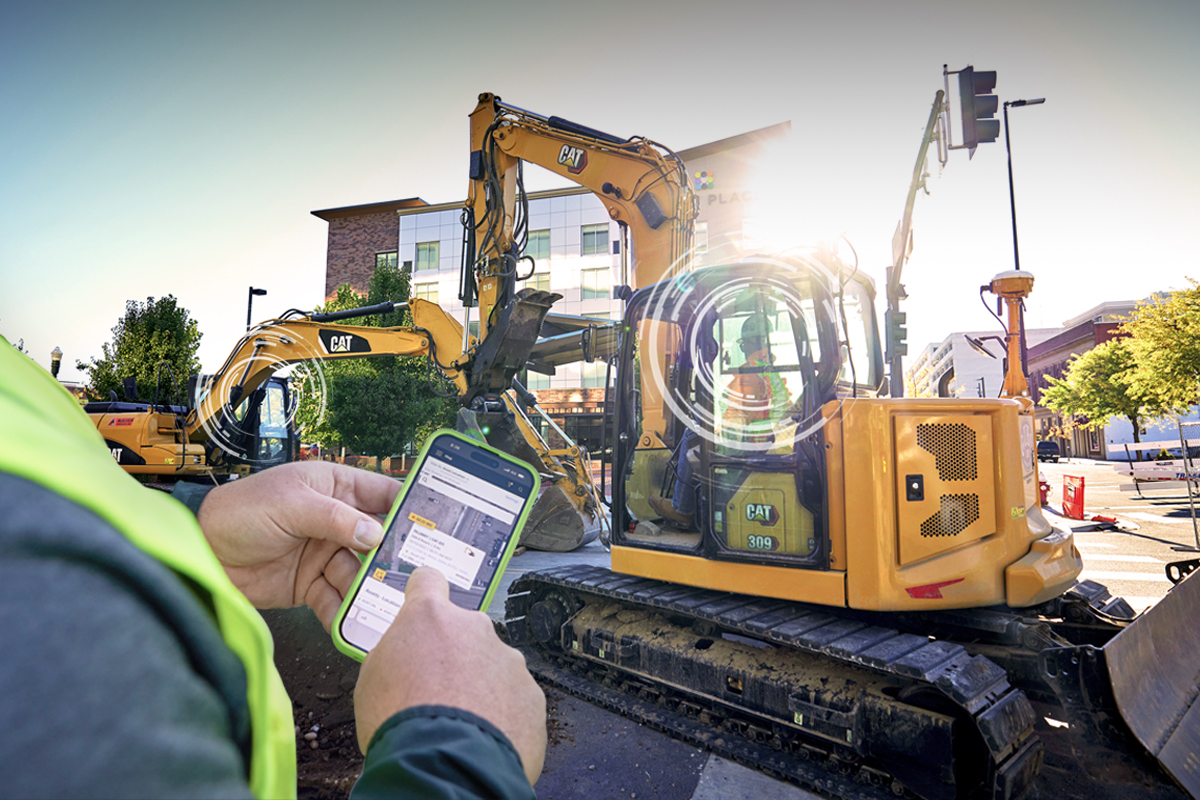
How Does Telematics Work?
The process of sending data from your equipment to your phone or computer involves a few steps and components:
Telematics Device: First, the data is collected and stored in the telematics device in the vehicle. Usually, this is transmitted through the onboard diagnostics port, either OBD-11 or CAN-BUS with a SIM card. Cat Product Link offers easy installation and can collect equipment location, hours, productivity, idle time, and diagnostic codes.
Cell Network: With the help of an onboard modem, that data goes through a telecommunications company and their private cellular network to reach its next destination.
Server: The destination is a secure server, typically owned by the provider.
Software: From there, the data is connected to the fleet management software, where it becomes readable and easy to visualize with any device that connects to the internet. Cat telematics link up to Cat VisionLink, which is powered by Trimble. This web-based application offers easy management and custom views of your telematics data. Monitor conditions, create alerts for boundaries and preventive maintenance needs, and compare idle and working times for better efficiency.
Getting your telematics data occurs quickly, with near real-time updates. Telematics devices are often hardwired into the machinery for a tamper-proof design. This type of setup also helps the system connect to more peripheral devices, such as additional sensors.
Telematics devices can also connect to in-cab interfaces to communicate information to and from the operator. They can, for instance, receive jobs, send inspection reports, and get important job-related information through the dashboard. The possibilities are practically endless!
Telematics for Construction Equipment
The construction industry operates with razor-thin margins, and miscalculations on operating costs or unexpected downtime can have significant ramifications on profits and customer satisfaction. Typically, construction fleet owners are working on many projects at once. If a piece of equipment breaks down, it can lead to missed deadlines on the current project with rippling effects on other projects that might need the labor or machinery being used on the first one. Breakdowns will also include the costs associated with equipment rentals or immediate repair needs.
Since telematics can address many of these problems facing the construction industry, it’s a great investment. Construction telematics offer features suited to on-road and off-road applications.
On-road telematics for construction provides excellent site reporting capabilities. Management teams can see clearly what equipment is on the work site and who is there. You can also enact route planning tools to create efficient movements and reduce fuel consumption. For off-road telematics, you can find a range of features that help you understand the efficiency of your assets, from performance to location to use hours. You can better optimize the utilization of the equipment across your work sites.
Telematics for Power Generation Equipment
Power generation equipment is a bit simpler than heavy equipment, but you can still avoid problems through telematics systems. When used with power generation equipment, telematics can offer insights into the status of the equipment, monitor and log events, and send alerts when necessary. For example, if a generator fails, you want to know right away, especially if it’s supporting business-critical equipment. You may also want to know if it turns on, so you can have an accurate assessment of its usage.
You can receive alerts and updates in these instances, along with notifications on the status, fuel notifications, and other aspects of operation.
Top 12 Benefits of Equipment Telematics
Heavy equipment telematics has benefits for your profits, efficiency, customer relations, asset management, safety, and other aspects of the business. Below are some of the benefits of construction equipment telematics. Click each benefit to understand the details of each.
Empire Can Help
KEEP TRACK OF YOUR EQUIPMENT
Telematics can have many different types of implementation for various organizations. However you use it, the benefits of telematics can have a range of positive effects for construction equipment and its management.
The Empire team can help you implement telematics to manage your equipment fleets - keeping you more productive while saving on costs. If you have any questions about telematics and what they might look like in your workday, we have training classes and team members ready to assist you in discovering the power of telematics.
