Equipment
How Solar Energy Works
Solar technology is increasing in popularity every day and knowing the basics of how solar power works is important if you’re considering an installation. When you know how solar power works and understand what it can and can’t do, you can make informed decisions about what is right for your needs.
Solar Technology Components
A typical commercial solar power system will have four main components:
1. Photovoltaic (PV)
Cells that convert energy captured from the sun into direct current (DC) power.
2. The Inverter
It converts the DC energy captured by the panels into alternating current (AC).
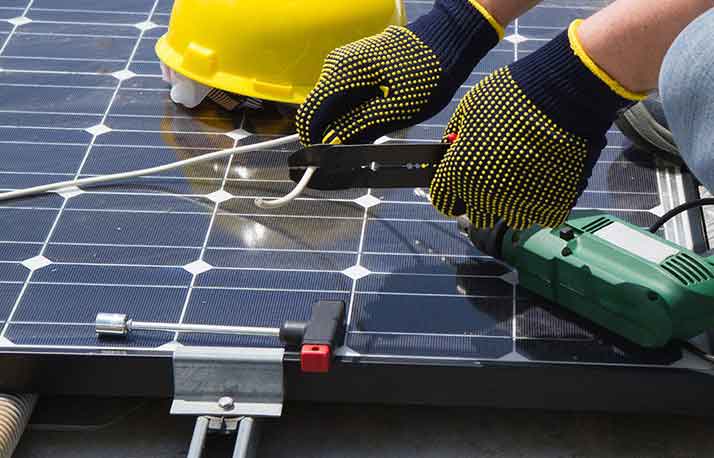
3. The Mounting
The hardware, which fixes the PV cells on your roof or other installation sites.
4. Metering Acquisition
The data system that monitors how much energy is produced by a solar panel vs. utilities.
Switching Between Solar and Grid Power
Because solar systems rely on sunlight, they will produce less energy on cloudy days or during the night. However, since most solar energy systems are connected to the utility grid, they can automatically draw power as needed without any interruption of service.
Most businesses with a solar installation will still rely on their local utility provider for backup power. When your solar panels begin producing more power than you need, this excess energy is sold back to the grid and will be credited on your next bill. When you install with Empire, we'll handle all the paperwork with the utility company and the city so you don't have to!
Factors Affecting Solar Panel Performance
There are several factors that determine the energy output of a set of PV panels. Some of these variables fluctuate, such as the time of day, the weather, or the season. Others are fixed, such as the climate of your area.
Although solar power can be useful anywhere in the United States, it is especially beneficial in regions with sunnier climates year-round, like Southern California, Arizona, and Nevada where Empire serves clients.
Is Solar Power Right For Your Business?
We work with clients to determine the proper size/location of the system and provide a turn-key product, as well as support and maintenance agreements for systems for years to come. Your business’ suitability to a solar power installation will depend on the environment surrounding your property, too. Areas that see a lot of sunlight during the day are preferred to those that are shaded by trees or other structures. Additionally, enough space must be available — either on a roof or in open, sunny areas, for example. To find out what is best for your needs, request a quote and a solar expert will visit your property for a free site assessment.
THE VALUE OF SOLAR
Harnessing the power of the sun for electricity can be one of the best options for those seeking cleaner energy sources, but is it worth the costs? Learn more about the value of solar solutions or contact our team of experts.